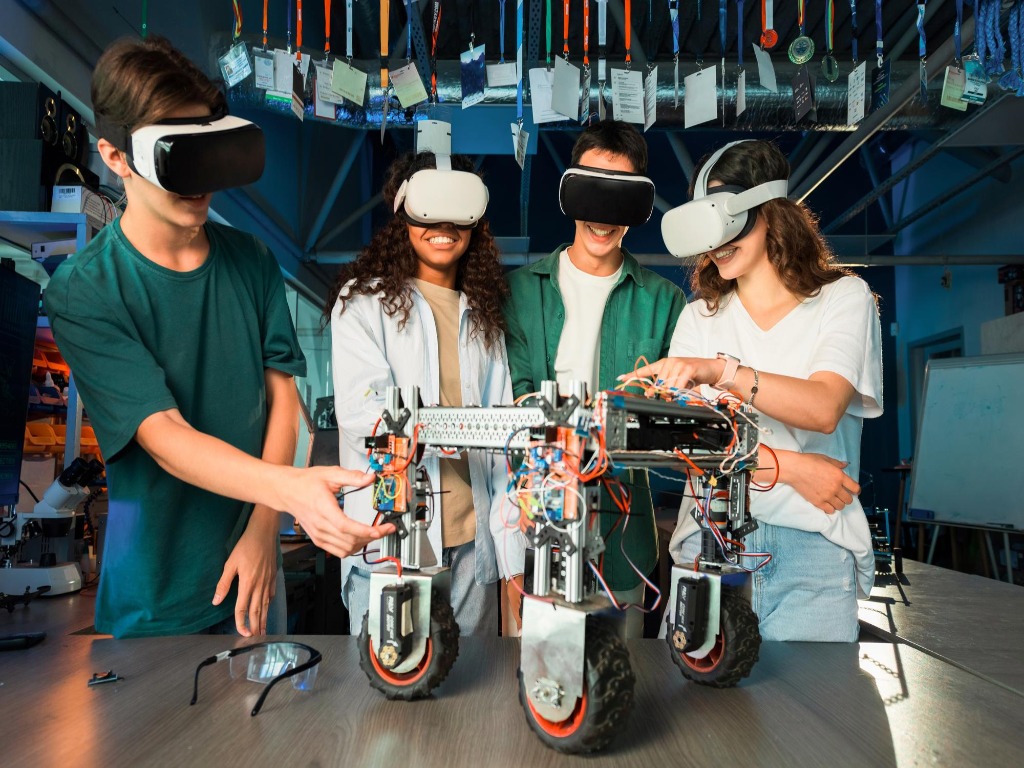
How Private Engineering Institutions Drive Innovation in Technical Education
- January 25, 2026
- Posted By : sysadmin
- 0 Comment
-
Introduction:
In an era defined by rapid technological advancement and digital transformation, engineering education must evolve at an accelerated pace. At Indore Institute of Science and Technology, the Top Engineering Colleges in Indore, traditional classroom teaching methods and static curricula are no longer sufficient to prepare students for the demands of today’s dynamic industries. This shift has positioned private engineering institutions as key drivers of innovation in technical education.
By integrating academic excellence with industry-focused training, flexible curriculum frameworks, and advanced research initiatives, private colleges are transforming the way engineering knowledge is taught, applied, and expanded. For students and parents, understanding the role of private institutions in driving innovation is essential for making informed academic choices.
This comprehensive article explores how private engineering institutions are shaping the future of technical education by enhancing employability, encouraging entrepreneurship, and adopting global best practices aligned with the requirements of the Fourth Industrial Revolution.
About Us:
We are dedicated to redefining engineering education through innovation, industry relevance, and student-centric learning. As a private institution focused on excellence, we continuously evolve our programs to integrate the latest technologies, experiential learning models, and real-world applications. Our curriculum promotes creativity, collaboration, and hands-on exploration across domains like AI, IoT, data analytics, and sustainable systems.
At the core of our educational philosophy is a vibrant student community that thrives through extracurricular activities such as tech clubs, coding marathons, entrepreneurship cells, and design contests. Annual technical fests, cultural carnivals, guest lecture series, and student-led conferences provide platforms for idea exchange and personal growth. We also host industry immersion programs and innovation challenges that connect students directly with professionals.
Our institution fosters an environment where academic rigor meets creative thinking, enabling students to become influential contributors to the future of technology and society.
1. The Role of Private Engineering Institutions Today
Private engineering institutions have emerged as pivotal players in India’s higher education ecosystem. Unlike legacy universities bound by rigid bureaucratic structures, private colleges can respond swiftly to technological changes and industry demands. They blend academic knowledge with experiential learning models that emphasize practical skills, critical thinking, and problem-solving capabilities.
This adaptability gives private institutions a competitive advantage. They serve as incubators for innovation, nurture talent that drives technological progress, and help bridge the gap between academia and industry.
2. Curriculum Innovation: Aligning Education with Industry Needs
At the core of technical education innovation is curriculum design. Private engineering colleges focus on dynamic curriculum structures that are regularly updated based on current industry trends:
- Real-Time Curriculum Updates : Rather than relying on static syllabi, private institutions frequently revise courses to include emerging technologies like Artificial Intelligence, Machine Learning, Data Analytics, Internet of Things (IoT), and Cloud Computing. This ensures students learn what is relevant and applicable in today’s job market.
- Integration of Industry Standards : Curricula are aligned with standards set by leading technology firms. Students learn through case studies, real-world problem statements, and industry projects that mimic actual workplace scenarios.
- Electives and Specializations : Private institutions offer a broader range of elective courses and specializations, giving students the freedom to tailor their education toward specific career goals.
3. Experiential Learning: Beyond Classroom Boundaries
Innovative technical education emphasizes learning by doing. Private engineering colleges integrate experiential learning into academic programs through:
- Hands-On Lab Work : Advanced laboratories equipped with industry-grade tools and software allow students to experiment with real systems rather than just memorize theory.
- Project-Based Learning : Students undertake individual and team projects that require planning, design, execution, and presentation — mirroring real engineering workflows.
- Internships and Industry Attachments : Structured internships give students exposure to professional environments, helping them develop soft skills and practical competencies early in their academic journey.
4. Industry Partnerships: Connecting Education with Opportunity
Private engineering institutions invest heavily in building strong industry linkages:
- Corporate Collaborations : Partnerships with technology companies facilitate guest lectures, workshops, and live project opportunities. These interactions help students stay connected with industry expectations and future career pathways.
- Sponsored Labs and Research Centers : Collaboration with corporations often leads to sponsored laboratories where students can research contemporary technological problems — fostering innovation and creativity.
- Placement Cooperation : Companies often partner with institutions for targeted hiring, skill development programs, and talent pipelines that benefit both students and employers.
5. Faculty Excellence: Mentors Who Inspire Innovation
A strong faculty is the backbone of effective technical education. Private institutions attract and retain talented educators who bring:
- Advanced academic qualifications
- Research experience
- Industry exposure
- Passion for teaching and mentoring
Faculty members mentor students not merely through lectures, but by coaching them in research, guiding projects, and facilitating industry interactions — effectively nurturing future innovators.
6. Research and Development: A Culture of Inquiry
Innovative technical education cannot exist without a robust research ecosystem. Private engineering colleges actively promote research culture by:
- Funding Student Research Projects : Students receive support to conduct research that extends beyond coursework, encouraging creativity and critical inquiry.
- Encouraging Publications and Presentations : Students and faculty frequently publish research findings in national and international journals and conferences, contributing to global knowledge and academic recognition.
- Establishing Research Centers : Specialized research centers in areas like robotics, renewable energy, embedded systems, and AI serve as hubs for long-term innovation.
7. Entrepreneurship and Start-Up Ecosystems
Private institutions are increasingly playing active roles in fostering entrepreneurial talent:
- Incubation Cells : Dedicated incubation centers support students in transforming ideas into viable start-up ventures, providing resources like mentorship, infrastructure, and funding guidance.
- Entrepreneurial Training : Workshops and courses on business planning, market research, and financial management empower students to think beyond job roles and become job creators.
- Networking with Investors : Start-up events and pitch competitions help students connect with potential investors, industry experts, and experienced entrepreneurs.
8. Technology Integration: Smart Classrooms and Digital Tools
Innovation in education also extends to how knowledge is delivered:
- Smart Classrooms : Interactive classrooms equipped with digital boards, simulation software, and collaborative tools enhance student engagement and learning efficiency.
- Online and Blended Learning : Private institutions blend traditional classroom learning with online modules, allowing flexibility and self-paced study through e-learning platforms.
- Virtual Labs and Simulation Centers : Access to virtual labs enables students to conduct simulations that would otherwise require high costs or physical infrastructure, expanding their learning capabilities.
9. Skill Development Programs: Preparing Future-Ready Graduates
Technical excellence today requires more than academic knowledge. Private engineering colleges emphasize skill development through:
- Soft Skills Training : Communication, teamwork, leadership, and presentation skills are inculcated through workshops, seminars, and interactive sessions.
- Aptitude and Reasoning Courses : Structured training in logical reasoning and problem solving enhances performance in competitive exams and placement tests.
- Certification Programs : Students gain certifications in technical areas like cloud computing, cybersecurity, and data science — increasing their marketability in global job markets.
10. Global Exposure and Exchange Programs
To prepare students for an interconnected world, many private engineering institutions facilitate:
- International Collaborations : Partnerships with universities abroad enable student exchanges, dual degree options, and collaborative research.
- Study Trips and Industrial Visits : Exposure to global industry environments helps students understand diverse work cultures and technological ecosystems.
- Guest Lectures from International Experts : Access to global thought leaders enhances academic perspectives and broadens student horizons.
11. Inclusive Learning: Catering to Diverse Talents
Private engineering education embraces diversity by offering tailored support systems for students with varying backgrounds:
- Remedial classes for foundational strengthening
- Mentorship programs for personalized guidance
- Scholarships and financial assistance
- Clubs and societies for holistic development
This inclusive approach helps students of all levels excel academically and professionally.
12. Community Engagement and Social Responsibility
Technical innovation is not limited to product development — it can also address community challenges. Private institutions encourage students to:
- Participate in Social Impact Projects : Engineering solutions for community problems like water purification, sustainable energy, and accessibility technologies foster responsible innovation.
- Engage in Outreach Programs : Engagement with schools and NGOs builds empathy and strengthens social consciousness among future engineers.
- Conduct Awareness Campaigns : Initiatives like coding camps for youth and skill workshops help disseminate technical knowledge to broader audiences.
13. Continuous Evaluation and Feedback Mechanisms
Innovation in education demands adaptive and responsive assessment. Private engineering colleges implement:
- Continuous Assessment Systems : Instead of one-time exams, students undergo periodic evaluations through quizzes, assignments, and projects — providing a more accurate measure of learning.
- Feedback-Driven Improvements : Regular feedback from students, faculty, and industry partners helps refine teaching methods, curriculum design, and training modules.
- Mentorship Tracking : Mentors monitor student progress, recommend improvement strategies, and help students set actionable goals.
14. Placement Support: Bridging Education and Employment
Private institutions place strong emphasis on career outcomes:
- Dedicated Placement Cells : These cells maintain relationships with recruiters, organize placement drives, and coach students for interviews.
- Mock Interviews and Training : Regular mock tests, group discussions, and interview rounds prepare students to excel in real recruitment scenarios.
- Industry-Aligned Career Guidance : Career counsellors help students explore job roles that match their skills, interests, and industry trends.
15. Measuring Success: Outcomes of Innovation in Education
The impact of innovation in private engineering colleges reflects in measurable outcomes such as:
- Higher placement rates and competitive salary packages
- Increased number of startups launched by graduates
- Research publications and patents earned by students and faculty
- Strong alumni networks in top global companies
- Enhanced participation in national and international competitions
These outcomes demonstrate how innovation in education directly translates into professional success.
16. Challenges and Opportunities Ahead
While private institutions excel at innovation, they also face challenges such as:
- Ensuring affordability and accessibility
- Balancing academic rigor with practical exposure
- Maintaining high research standards
- Continuously updating infrastructure
However, these challenges also present opportunities to collaborate with industry leaders, expand online outreach, and create multidisciplinary programs that prepare students for future technological landscapes.
17. Future Outlook: Education in the Age of Industry 4.0
As the world enters the Fourth Industrial Revolution, engineering education must emphasize skills like:
- Artificial Intelligence development
- Robotics and automation
- Advanced data analytics
- Sustainable engineering solutions
- Cybersecurity
Private engineering institutions are uniquely positioned to lead this transformation due to their agility, industry focus, and innovation culture.
Conclusion:
Private engineering institutions have proven themselves as drivers of innovation in technical education. By integrating industry-aligned curricula, experiential learning, research opportunities, global exposure, and career-centric training, they create environments where students are prepared not just for jobs, but for long-term careers as innovators, leaders, and change makers.
Students seeking the Engineering Colleges should consider how institutions leverage innovation — not only in teaching, but in shaping lives, careers, and technological futures. The evolution toward more practical, flexible, and forward-thinking education models underscores the transformative power that private engineering colleges bring to the realm of technical learning.
FAQs:
Q. 1 How do private engineering institutions promote innovation in learning?
Ans : They adopt flexible curricula, industry-aligned programs, and hands-on teaching methodologies.
Q. 2 Why are industry partnerships important in technical education?
Ans : They provide real-world exposure, live projects, internships, and updated skill requirements.
Q. 3 How does experiential learning benefit engineering students?
Ans : Practical projects and lab-based learning help students apply theory to real technical challenges.
Q. 4 Do private institutions support research and innovation culture?
Ans : Yes, through research centers, faculty mentorship, funded projects, and publication opportunities.
Q. 5 How do private colleges prepare students for future technologies?
Ans : They integrate emerging fields like AI, IoT, data analytics, and automation into academics and training.
Q. 6 What role do private institutions play in entrepreneurship development?
Ans : They offer incubation support, mentoring, and innovation platforms to turn ideas into viable ventures.
 Important Documents For Admission (2025 - 2026)