 Important Documents For Admission (2025 - 2026)





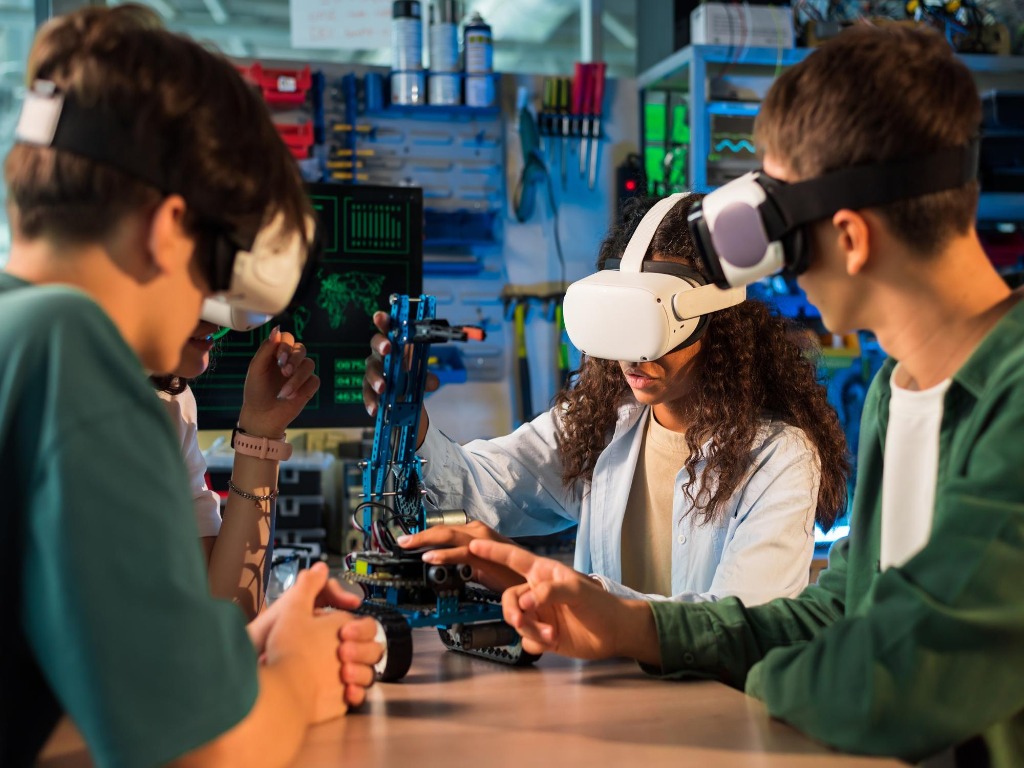
In today’s rapidly evolving technological world, engineering education is no longer limited to textbooks and classroom learning. Modern engineers are expected to think creatively, solve complex problems, and develop innovative solutions that can transform industries. This shift has made campus innovation ecosystems an essential part of engineering education. At Indore Institutes of Science and Technology, the Top 10 Engineering Colleges in Indore are increasingly focusing on building environments that nurture creativity, research, and entrepreneurial thinking among students.
Indore Institute of Science and Technology fosters an innovation-driven campus where students are encouraged to explore entrepreneurship and technology development. Innovation clubs such as robotics and AI provide platforms for students to build prototypes, participate in competitions, and develop creative solutions.
A strong innovation ecosystem begins with cultivating a culture where creativity and curiosity are encouraged. Engineering students thrive when they are given the freedom to explore new ideas and challenge traditional approaches to problem-solving.
Institutions that promote innovation encourage students to participate in brainstorming sessions, technical workshops, and idea-generation programs. These activities help students develop creative thinking and inspire them to explore new technologies and solutions.
Innovation labs and research centers play a significant role in supporting student creativity. These facilities provide access to advanced tools, equipment, and technology that enable students to experiment, design prototypes, and develop real-world solutions.
Through these innovation hubs, students gain practical exposure to research and product development processes. This experience helps them understand how innovative ideas evolve from simple concepts into functional products or technologies.
An important aspect of a campus innovation ecosystem is fostering entrepreneurial thinking among students. Entrepreneurship allows engineers to transform their technical knowledge into business ideas that address real-world challenges.
Many engineering colleges organize startup boot camps, entrepreneurship workshops, and mentorship programs where students learn how to develop business models, create prototypes, and pitch innovative ideas.
Startup incubation centers have become an essential part of modern engineering campuses. These centers provide aspiring entrepreneurs with the resources needed to convert innovative ideas into successful ventures.
Incubation support often includes mentorship, funding guidance, workspace, and access to industry networks. Students working on startup ideas can receive assistance with product development, market research, and business strategy.
A thriving innovation ecosystem also relies on collaboration with industry partners and research organizations. These partnerships provide students with exposure to real-world challenges and emerging technological trends.
Collaboration with research institutions also allows students to explore advanced scientific and technological concepts, further strengthening their innovation capabilities.
Engineering colleges frequently organize hackathons, innovation challenges, and technical competitions to encourage students to develop creative solutions within limited timeframes.
These events push students to think quickly, collaborate with peers, and apply their technical knowledge to solve complex problems. Participating in such competitions also helps students gain recognition and build confidence in their abilities.
Entrepreneurial engineers are not only innovators but also problem solvers who can identify real-world challenges and design effective solutions. A strong campus innovation ecosystem helps students develop this mindset by encouraging them to address societal and industrial problems through technology.
This approach ensures that engineering graduates are not only technically skilled but also capable of contributing to social and economic development.
The global economy is increasingly driven by innovation, startups, and technology-based enterprises. Engineers who possess entrepreneurial skills have a significant advantage in this evolving landscape.
Campus innovation ecosystems play a vital role in shaping the next generation of entrepreneurial engineers. By encouraging creativity, providing access to advanced resources, and supporting startup initiatives, engineering institutions create environments where innovation can flourish.
As technology continues to shape the future, engineers with entrepreneurial mindsets will play a crucial role in developing groundbreaking technologies, launching innovative startups, and solving some of the world’s most complex challenges.
Q. 1 What is a campus innovation ecosystem in engineering education?
Ans : It is an environment that encourages creativity, research, startup ideas, and collaboration to help students develop innovative solutions.
Q. 2 How do innovation labs support engineering students?
Ans : Innovation labs provide advanced tools and technology that allow students to experiment, design prototypes, and develop new ideas.
Q. 3 Why is entrepreneurship important for engineering students?
Ans : Entrepreneurship helps engineers transform technical knowledge into products, services, or startups that solve real-world problems.
Q. 4 How do startup incubation centers help student innovators?
Ans : Incubation centers offer mentorship, workspace, and guidance to help students turn innovative ideas into viable business ventures.
Q. 5 What role do hackathons and innovation challenges play in engineering education?
Ans : These events encourage teamwork, creativity, and rapid problem-solving while helping students showcase their innovative capabilities.
Q. 6 How do innovation-driven campuses prepare students for the future economy?
Ans : They equip students with technical expertise, entrepreneurial thinking, and leadership skills needed for technology-driven industries.